
While the current property market may seem subdued, rising consumer confidence and cooler conditions present ideal opportunities for buyers, particularly in affordable and highly liveable cities like Melbourne, says John McGrath, Chief Executive Officer of McGrath Estate Agents.
Our current property market is not entirely doom and gloom, according to the Westpac-Melbourne Institute Consumer Sentiment Index released earlier this month.
Financial expectations for the future were positive in July, including those centred on property price and interest rate increases.
On a measurement of zero to 200 – with higher figures indicating a more confident market –
July’s overall Index read of 83.9% was an uptick of 4.1% on June’s figures. But it is still almost 10% below July 2025 results, and is a return to the attitude and outlook we last saw in 2024.
At the same time, Westpac commentary about the Index noted that “flickers of optimism are returning”, with most households feeling encouraged about the future, despite their financial position.
Westpac senior economist Matthew Hassan told The Real Estate Conversation that some of this fresh optimism was based on consumer relief that “worst case” scenarios, including higher energy prices, job loss concerns, and interest rate rises, haven’t occurred.
The main reason for stronger confidence this month was lower fuel prices, which returned to their usual figures, following an unfortunately, only temporary, peace deal in the Middle East conflict.
The Index showed expectations for further property price increases have dropped to a three-year low. Sentiment is more positive than it was 12 months ago, despite some uncertainty about interest rates. This is mostly due to the Reserve Bank of Australia’s decision to leave the cash rate unchanged in June, which has alleviated home owner fears to some extent.
Keeping these figures in mind, here’s my take on the Index’s findings. Buyers can take advantage of a cooler market. Competition for housing is already lower than usual, and not just because of the usual quieter Winter season.
I also maintain that individual locations can be very different when it comes to consumer sentiments around their housing decisions. And, locations that may not initially be on buyers’ radars can sometimes provide ideal situations for them.
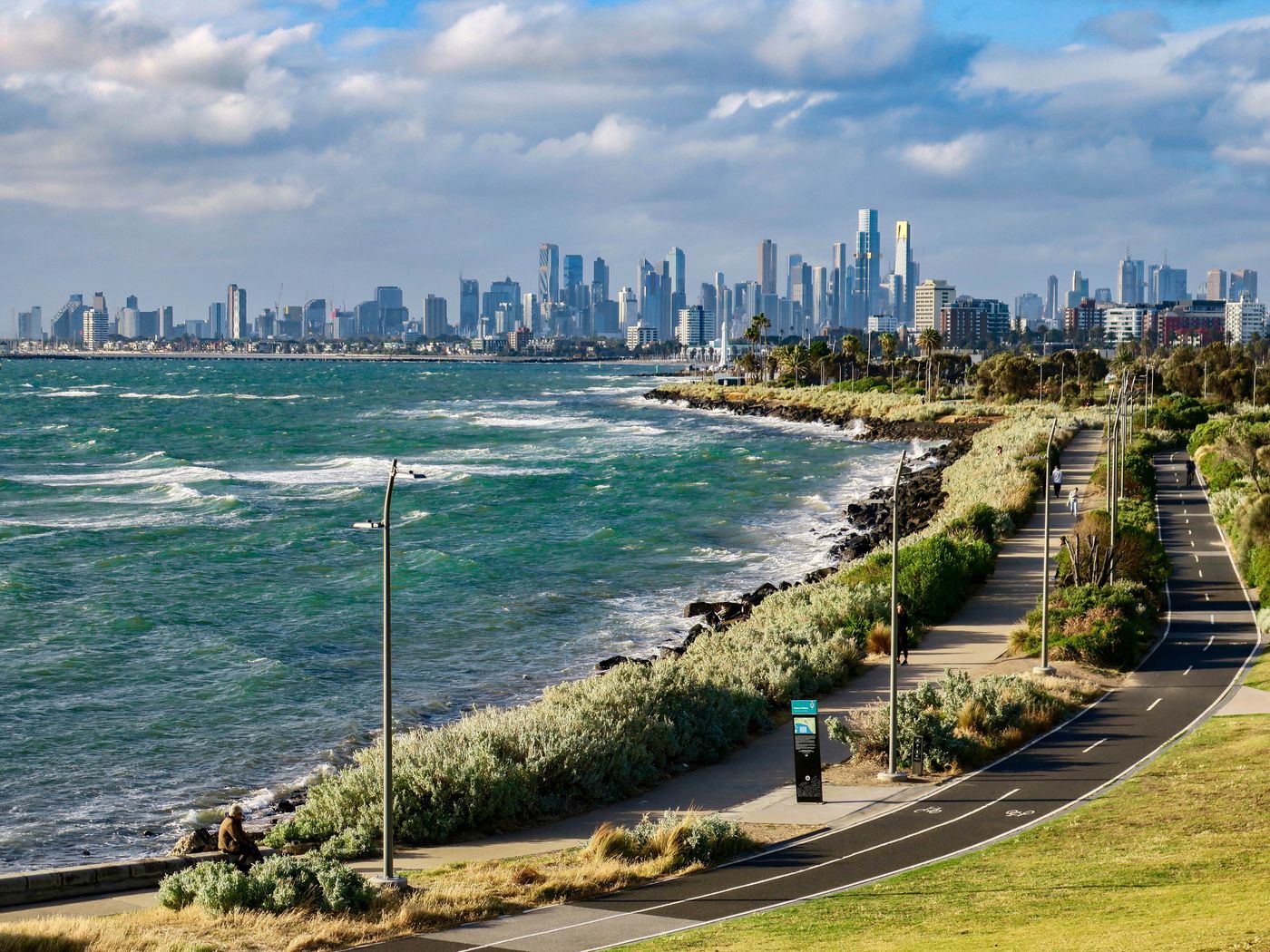
Melbourne is a perfect example of this. This city has experienced little positive growth since the pandemic, especially when compared to Brisbane, Adelaide and Perth. But this also means its property prices are now lower than these mid-sized cities.
There’s also a good reason Melbourne was named the third most liveable city globally in the 2026 Economist’s annual Global Liveability Index this month.
This was due to the city’s perfect scores for healthcare and education. Melbourne’s scores for stability, infrastructure, and culture and environment were near-perfect as well.
Admittedly, the city lost its high ranking in the pandemic years, dropping to number 10 globally, but it’s fast gained its liveability scores since then. Backed by such strength, I believe that of all our capital cities, Melbourne holds the best promise of repeatedly recovering from dips and challenges in the market.
So, whether you’re keen to buy in a city or regional area, I encourage buyers to keep researching all property possibilities. There are plenty of good options to consider right now, that may not be available in even a few months.