McGrath Lithgow Property Management Monthly Newsletter – November 2026

Lithgow Property Management Monthly Newsletter

November 2026

Greetings from Mikayla's Desk

Energy, opportunity and community - all in one big day

Learn More

Who’s Responsible For Tenant Damage?

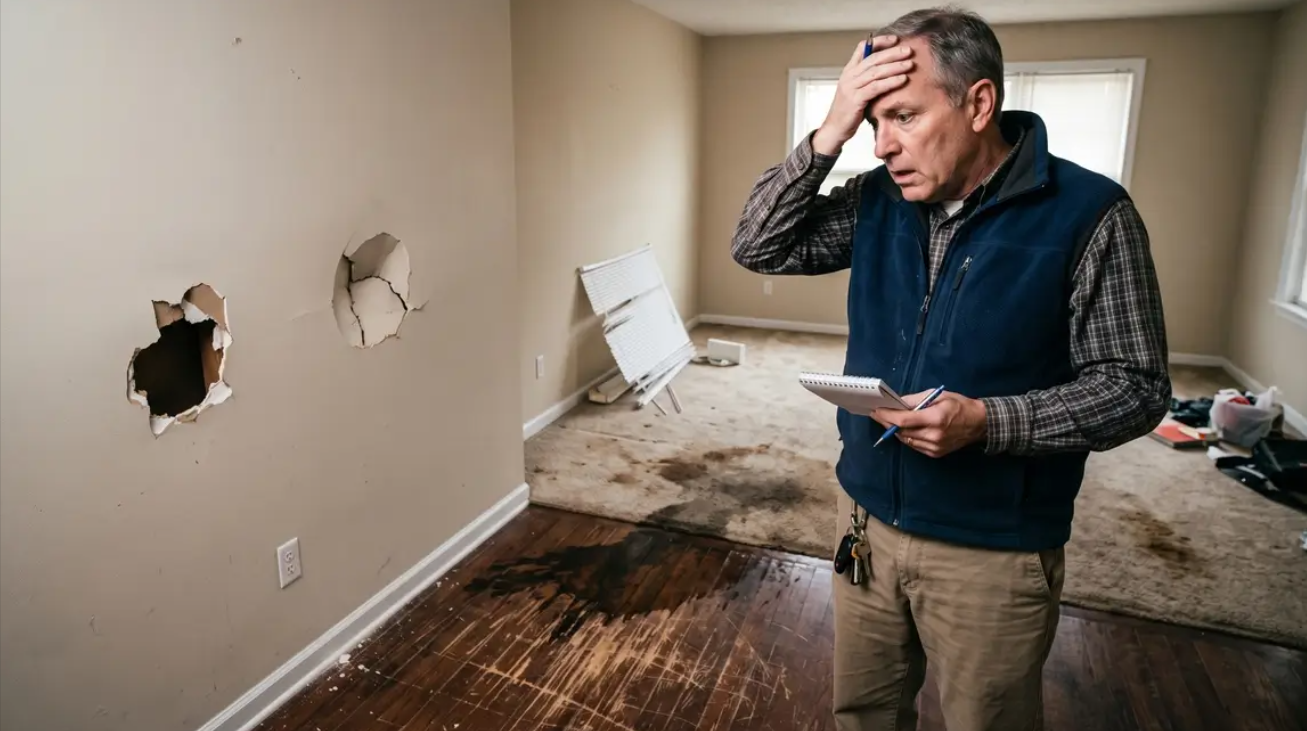
From accidental holes in walls to major incidents that leave a property uninhabitable, tenant damage can be one of the most contentious issues when renting out a property. Understanding who is responsible, and when insurance may be able to help, can reduce disputes and help protect your investment.
Here are four common tenant damage scenarios landlords and property managers may encounter.

When a tenant accidentally damages the property

Not all damage is intentional. A tenant might accidentally stain carpets, damage window furnishings or leave holes in walls after moving furniture. In these situations, tenants are generally responsible for the cost of repairing damage they have caused.
It is important, however, to distinguish damage from fair wear and tear. Faded paint, worn carpet and minor deterioration that occurs through normal use are typically considered part of owning an investment property and remain the landlord’s responsibility.
Many landlord insurance policies include cover for accidental or malicious tenant damage, subject to policy terms, conditions and excesses. Insurers will usually require evidence of the damage, such as condition reports, photographs and repair invoices.

When a tenant’s guest causes damage

Sometimes the person responsible is not the tenant. A guest may cause costly repairs while visiting the property.
In most cases, tenants remain responsible for the actions of visitors they invite into the home. If the damage exceeds the bond or the tenant is unable or unwilling to cover the costs, the landlord may look to their insurance to cover the damage and loss. Whether an insurer steps in depends on the policy terms and conditions. It is also interesting to note that if an insurer pays out for damage caused by the tenant’s guest, then they may seek recovery from that person.
Property managers can play an important role by documenting the damage, arranging quotes, coordinating repairs and managing communications between all parties.

When a tenant causes a fire

A cooking accident, unattended candle or overloaded power board can quickly turn into a significant loss. Determining responsibility often depends on what caused the fire and the findings of investigators and insurers.
If the damage is the result of negligent or reckless behaviour, the tenant may be held responsible for some or all the resulting costs. At the same time, landlords have responsibilities of their own, including ensuring smoke alarms and safety features comply with legislative requirements and that the property meets minimum safety standards.
Where building cover is included, landlord insurance may help cover fire damage and losses, with insurers potentially seeking recovery from responsible parties after a claim is settled.

When tenants leave extensive damage at the end of a lease

One of the most stressful situations for landlords is discovering significant damage after a tenant moves out. This may include broken fixtures, damaged cabinetry, pet damage, stained carpets or unauthorised alterations to the property.
The first step is usually to compare the property’s condition against the incoming condition report to determine whether the issues are genuine damage or simply fair wear and tear. Property managers can assist by gathering evidence, arranging quotes and managing bond claims.
If the cost of repairs exceeds the bond amount, or the damage is otherwise covered under the policy, landlord insurance may help cover the loss.

To sum it up

When tenant damage occurs, responsibility ultimately comes down to the cause of the damage, the terms of the tenancy agreement and whether the issue is considered negligence or fair wear and tear. While tenants are generally responsible for damage they or their guests cause, landlords and property managers play a critical role in documenting incidents and coordinating repairs. Having appropriate landlord insurance in place can provide financial protection when unexpected damage occurs.
Taken from EBM landlord protection insurance website – if you need landlord insurance information, please speak to your property manager today!

Looking to add to your Property Portfolio?
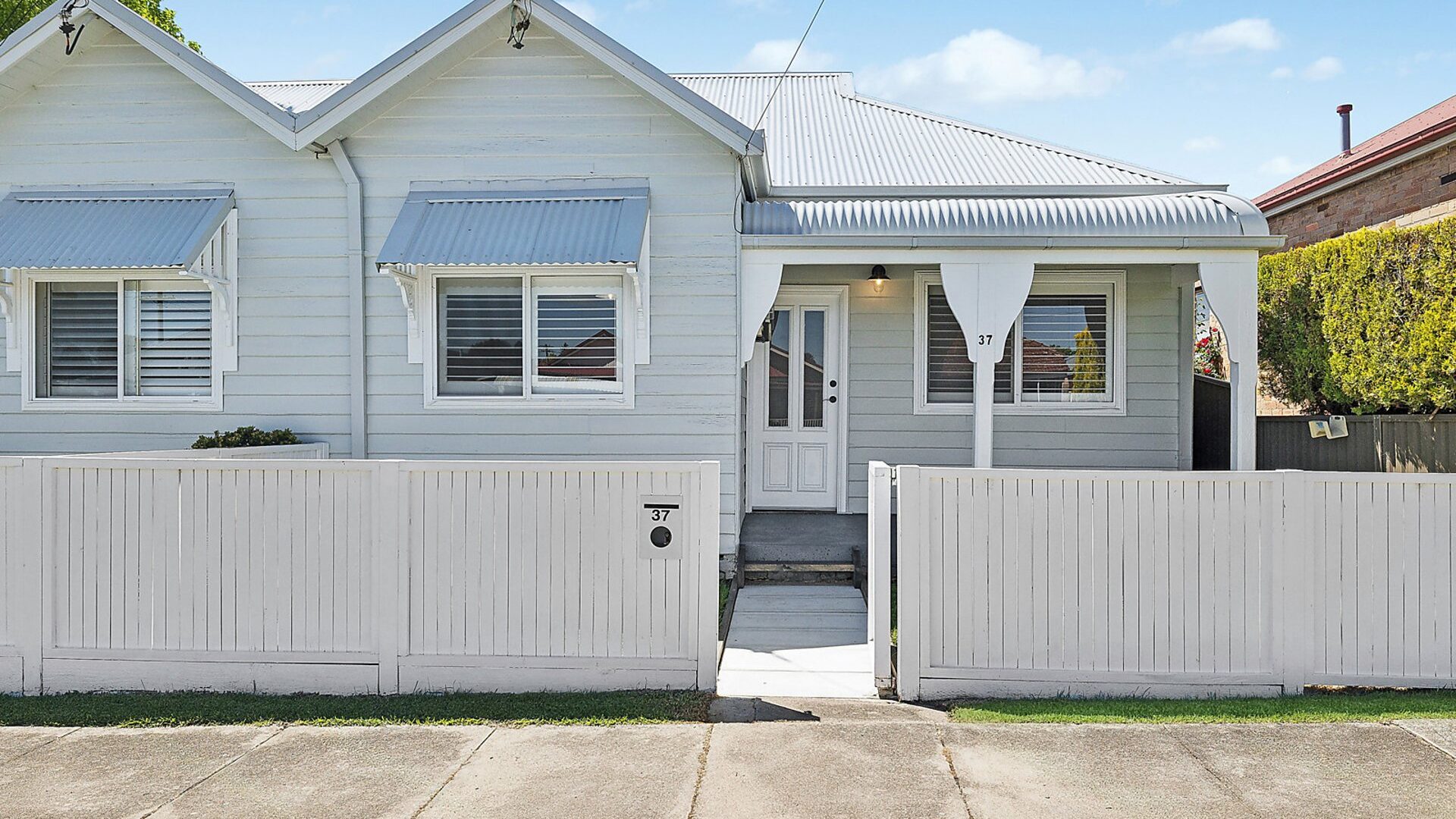
Lithgow

37 Cupro Street Lithgow NSW 2790

$560,000 - $600,000
3
1
1
View 37 Cupro Street Lithgow NSW 2790

Keep up with our latest news by following us on our socials

McGrath Lithgow's Property Management Team

Mark Hayes
Head of Commercial Property Management
0400 509 000
Office 02 6372 2584
Mikayla Callcott
Office Manager and LIC Lithgow
0459 406 006
Office 02 6352 5125
Olivia Robinson
Property Manager
0474 501 460
Office 02 6352 5125
Varun Kinra
Property Officer
0477 117 702
Office 02 6352 5125
Sophie Morris
Property Manager
0477 677 239
Office 02 6352 5125

Manage with McGrath

Maximise your
investment potential

Maximise your investment potential. For over 30 years we have been refining the McGrath Leasing System to ensure we provide our clients with a distinct advantage.

Whether you are a first-time investor, multiple owner, or renting out your family home, our team is committed to delivering the best possible result.

I'M CURIOUS

Our Offices Reach Network Experience

Mudgee

79 Church Street, Mudgee NSW 2850
T: (02) 6372 2584

Rylstone

90 Louee St, Rylstone NSW 2849
T: (02) 6379 1955

Lithgow

71 Main St, Lithgow NSW 2790
T: (02) 6352 5125

Rural

79 Church Street, Mudgee NSW 2850
T: (02) 6372 2584

Share

Powered by Appraise.works